
Dream Art: How Dreams Have Inspired Artists Throughout History
The boundary between dreaming and creating has always been thin. Here is the story of how artists have crossed it.
Quick Answer
Throughout history artists have drawn on dreams as a primary source of creative inspiration, from the Symbolists of the 1800s to the Surrealists of the 20th century to contemporary artists who use their dream journals as the foundation of their practice. Dream art explores the blurred boundary between reality and the unconscious mind, giving visible form to experiences that resist rational description.
The Roots of Dream Art: Symbolism
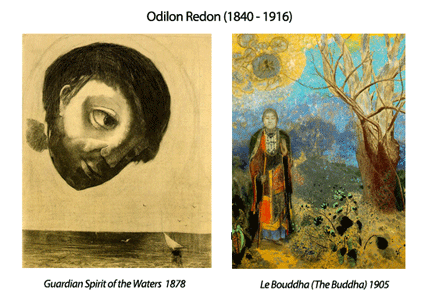
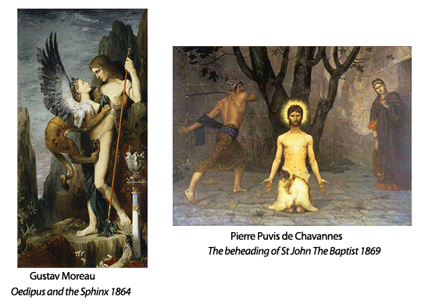
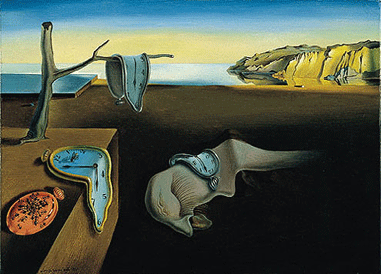
Surrealism: Dreams at the Heart of an Art Movement
Contemporary Dream Artists
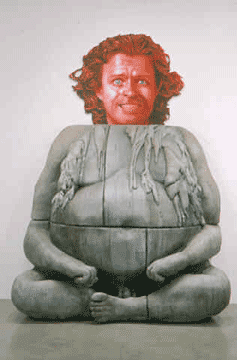
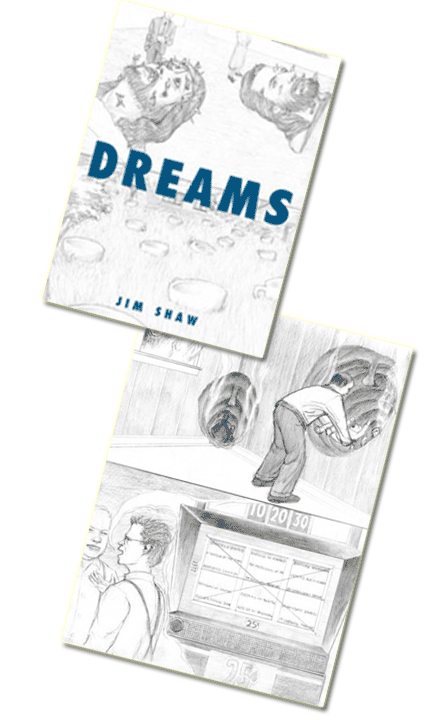
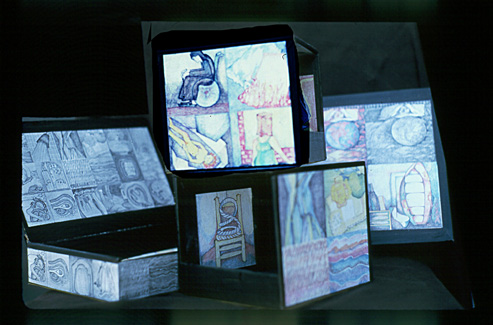
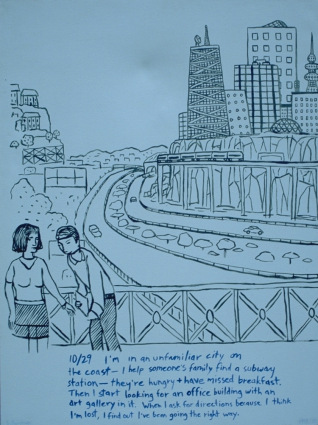
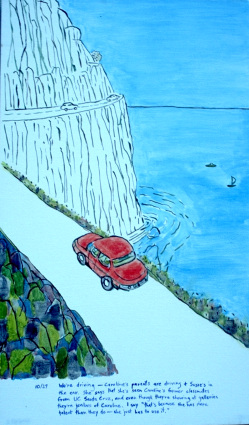
The tradition of dream-inspired art continues in the work of contemporary artists who use their dreams as primary source material, treating the dream journal as an artistic tool as fundamental as the sketchbook.Jim Shaw
Jane Gifford
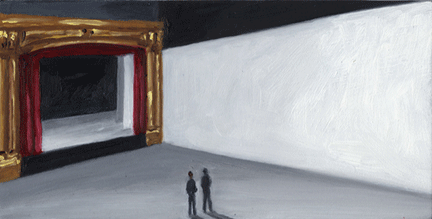
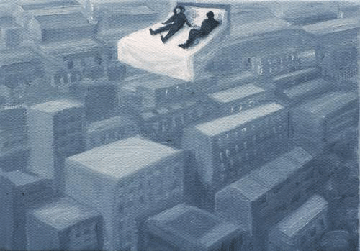
Betsy Davids

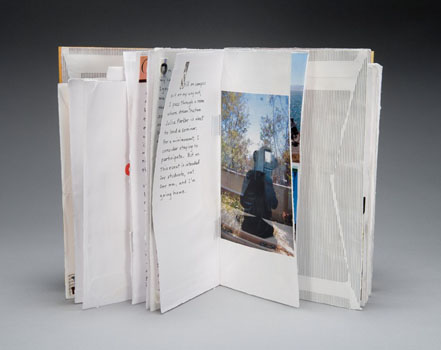
Diane Rusnak
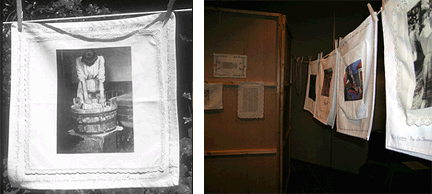
David Reisman
Why Dreams and Art Belong Together
The connection between dreaming and artistic creation is not accidental. It runs deeper than simple inspiration. The dreaming brain and the creative brain share fundamental qualities. Both operate in a state of reduced rational constraint, making connections that waking logical thought would dismiss. Both work primarily in image, metaphor and emotional association rather than linear verbal reasoning. Both access material that is not available to ordinary conscious thought. Research by Dr. Deirdre Barrett has documented the long history of creative breakthroughs arising from dreams across science, music, literature and visual art. The dreaming brain’s hyper-associative state, its freedom from the rational editor that governs waking thought, makes it uniquely suited to generating the genuinely original connections that creative work requires. As Robert J. Hoss has noted, the dreaming brain is running its metaphor-making systems at full capacity every night. The visual associative cortex, the spatial processing areas, the regions responsible for processing figurative language are all highly active during REM sleep. The dreaming brain is, in a very literal neurological sense, an artist. What visual artists who work from their dreams are doing is learning to look at what it produces. If you are interested in exploring your own dreams as a source of creative material, the D.R.E.A.M.S. Method™ provides a structured approach to understanding and working with dream imagery. Visit our D.R.E.A.M.S. Method™ tutorial to learn more.Frequently Asked Questions
What is dream art?
Dream art refers to visual art that draws directly on dream experience as its primary source of inspiration and content. This includes art created from the artist’s own dream journals, art that explores the visual language of the unconscious, and art movements such as Surrealism that placed the dream state at the philosophical centre of their practice. Dream art attempts to give visible form to experiences that resist rational description.Which artists were most influenced by dreams?
Salvador Dali is the most widely recognised, describing his paintings as handmade dream photographs. Other major Surrealists including Rene Magritte, Max Ernst, Joan Miro and Yves Tanguy drew heavily on dream imagery. Earlier precursors include the Symbolist painters Odilon Redon and Gustave Moreau. Among contemporary artists, Jim Shaw has built an entire career on drawing and documenting his dreams, and Jane Gifford has maintained a decades-long practice rooted in dream journaling and chronological dream documentation.Why have so many artists been inspired by dreams?
The dreaming brain and the creative brain share fundamental qualities. Both operate with reduced rational constraint, both work primarily in image and metaphor, and both access material not available to ordinary conscious thought. Research has confirmed that the dreaming brain’s hyper-associative state makes it uniquely suited to generating the original connections that creative work requires. Artists who work from their dreams are, in a literal neurological sense, tapping into one of the most generative states the human mind enters.Learn the D.R.E.A.M.S.
Method™
My foundational method for analyzing any dream.
The Psychology of
Dreaming: A Beginner’s
Guide
Understand the science behind why we dream.
Why Personal Interpretation Works Better: The Research
Multiple lines of research support the personal interpretation approach over generic dream dictionaries:
Cross-Cultural Evidence: Dr. Patricia Garfield’s 36-country study shows that while themes are universal, meanings are deeply personal and cultural.
Neuroscience Validation: Dr. David Kahn’s Harvard research shows that with logical reasoning offline during dreams, your emotional and associative responses provide the most reliable interpretation pathway.
Clinical Evidence: Dr. Gayle Delaney’s 30+ years of clinical practice demonstrates that the “aha!” moment comes from personal recognition, not external interpretation.
Memory Research: Dreams are composed of your memory fragments and personal associations, making personal interpretation more accurate than generic meanings.
Your unconscious mind speaks YOUR language, not a universal one. Learning to decode that personal language is the key to understanding what your dreams are really telling you.